

Polymer Degradation Analysis
 Polymer degradation analysis is a core problem-solving service at LPD Lab Services, an independent, UKAS-accredited analytical laboratory based in Blackburn, East Lancashire. Plastics (polymers), rubbers and paint coatings can suffer degradation despite generally being considered robust to the everyday environment. They may still be attacked by an unexpectedly harsh environment such as UV light, radiation, or even chemicals and solvents that they are not compatible with. Additionally, if the materials and compounds in the formulation are not optimised, have drifted out of the process window, or an alternative supplier has been sourced, problems can arise with component mixing or additives such as stabilisers and plasticisers, all of which can give less than ideal functional performance and degradation. Our investigations identify the degradation mechanism, establish the root cause and recommend how best to avoid the problem in the future.
Symptoms of Polymer, Plastics and Coating Degradation
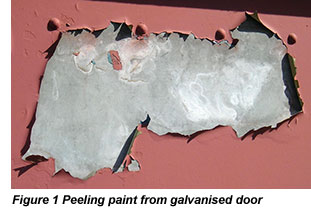
Polymer degradation symptoms can include environmental stress cracking (ESC), solvent swelling, loss of elasticity and embrittlement, hydrolysis, oxidation, depolymerisation and discolouration, dependent on the type of material and the environment it is exposed to. In paint and protective coatings the same causes present as peeling, bubbling or lifting of the coating, discolouration and loss of adhesion to the substrate, often where the coating has stopped acting as an effective diffusion barrier.
How We Identify Polymer Degradation Mechanisms
LPD Lab Services and its consultants have a significant amount of experience solving polymer, rubber and paint coating problems. The analytical route we take depends on the symptoms observed and the material involved:
- Depolymerisation, loss of plasticisers, embrittlement, or incorrect polymer curing or choice of stabiliser additives can lead to premature failure of plastics and rubbers. These symptoms are detectable by a combination of FTIR, FTIR Microscopy, GC-MS, DSC and pyrolysis GC-MS, with the correct application of solvent extraction, headspace or pyrolysis sample preparation techniques.
- Embrittlement due to further cross-linking induced by ultra-violet (UV) light: the extent can be investigated by FTIR and solvent extraction GC-MS, or pyrolysis GC-MS can be used to assess the degradation pathways.
- Swelling of the polymer caused by solvent ingress is best investigated by FTIR and GC-MS to determine if the often complex formulation is correct. Even if the aggressive solvent has all evaporated, it is often possible to infer damage by SEM from the resultant cracks and crazing. In composite materials the size that bonds the fibres to the resin or polymer matrix is crucial for maintaining barrier properties along the interface.
- Exposure to a high temperature can degrade a polymer material and even graphitise it. These effects can be seen by FTIR, GC-MS and XPS if it is a surface effect, and Polymer lifetime in heated conditions can be estimated by TGA.
Plastics and Rubber Degradation Case Examples
Many polymer degradation problems originate in the manufacturing process itself, or develop over time through thermo-oxidative chemistry:
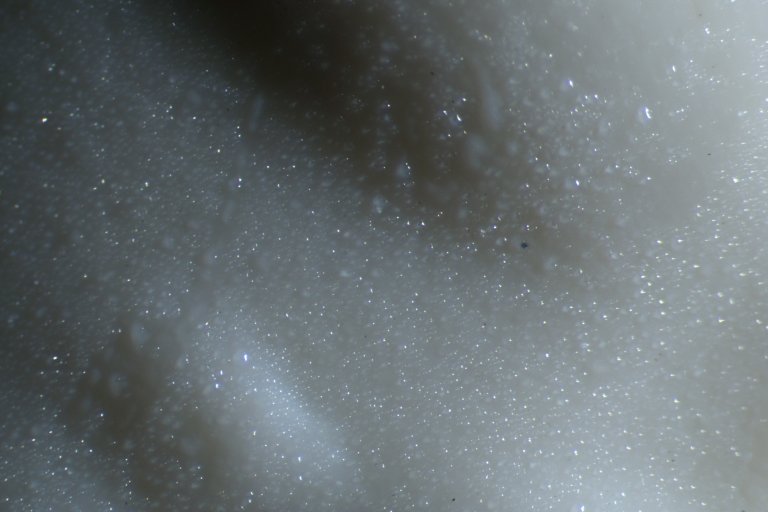 Polymer degradation can often begin during the injection moulding or extrusion process, where the polymer is overheated and antioxidants or antiozonants become exhausted and the polymer backbone begins to oxidise. The carbonyl index, derived from FTIR, can indicate if an oxidative process has begun, by comparing virgin polymer with moulded or extruded products.
- Thermo-oxidative degradation follows a free radical mechanism similar to UV degradation, like that seen in PVC, which can be detected by FTIR. Once initiated, these processes can continue during the now shortened lifetime of the product. Some of the breakdown products are volatile and leave the degrading sample, while others, like macro alkyl hydroperoxide R-OOH species, remain and are indicated by an increase in hydroxyl OH functionality in the degraded polymer by FTIR.
- Polybutylene PB hot water pipe degradation, failure and leakage.
Paint Coating Degradation and Environmental Stress Cracking
 Paint and protective coating failures are a recurring part of our problem-solving work, typically involving one or more of the following mechanisms:
- Discolouration induced by UV light: XPS can measure the surface changes that result, including oxidation.
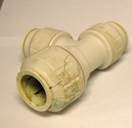
- Environmental stress cracking (ESC) of plastics, paint coatings and plumbing components, a common failure mode where a stressed polymer or coating is exposed to an aggressive environment.
- Paint bubbling or lifting can be a result of corrosion of the substrate, and this is often a result of poor interfacial adhesion to the substrate or of the coating acting as a poor diffusion barrier related to a poor formulation.
Frequently Asked Questions About Polymer Degradation
What causes polymer and plastic degradation?
Polymer degradation can be triggered by an unexpectedly harsh environment such as UV light, radiation, chemicals or solvents the material is not compatible with, or by formulation problems where the materials and compounds are not optimised, the process window has drifted, or an alternative supplier has been sourced, leaving additives such as stabilisers and plasticisers underperforming.
How do you identify the mechanism of polymer degradation?
We match the test route to the symptoms: depolymerisation, embrittlement and loss of plasticisers are detected by FTIR, FTIR Microscopy, GC-MS, DSC and pyrolysis GC-MS with solvent extraction, headspace or pyrolysis sample preparation; surface changes and oxidation from UV exposure are measured by XPS; cracks and crazing from solvent damage are examined by SEM; and polymer lifetime in heated conditions is estimated by TGA.
Can you investigate degradation of paint and protective coatings?
Yes. Peeling, bubbling and lifting of paint coatings, discolouration and loss of adhesion to the substrate are all investigated. XPS can measure the surface changes that result from UV exposure, including oxidation, and we assess whether the coating is acting as a poor diffusion barrier or has lost interfacial adhesion to the substrate, as can occur when corrosion of the substrate is involved.
What do you need to start a polymer degradation investigation?
A representative sample of the degraded component, polymer or coating, together with details of the service environment, the exposure history and when the problem first appeared. Where degradation may have begun during injection moulding or extrusion, we compare virgin polymer with the moulded or extruded product. We will advise on sample preparation, including solvent extraction, headspace and pyrolysis routes, and recommend the most appropriate test sequence for your enquiry.
Request a Quote for Polymer Degradation Analysis
Send us the failed component, degraded plastic or lifted coating and our scientists in Blackburn, East Lancashire will recommend the right combination of tests and give you a clear interpretation of what caused the degradation. As an independent, UKAS-accredited laboratory serving clients across the UK, we combine rigorous analysis with practical, cost-effective recommendations. If you are investigating environmental stress cracking (ESC) of plastics, paint coatings and plumbing components, or any other polymer, rubber or coating degradation problem, request a quote from our Blackburn, East Lancashire laboratory today.