
Ionic Contamination Analysis
 Ionic contamination is an issue that affects a wide range of industries, and is typically defined as the presence of anions, cations and weak organic acids (WOAs) on or in a product. LPD Lab Services is an independent, UKAS-accredited analytical laboratory based in Blackburn, East Lancashire, and our experienced team of scientists uses ion chromatography (IC), standard methods and approved in-house procedures to detect and quantify ionic contamination for customers and manufacturers across the UK.
What Is Ionic Contamination? Anions, Cations and Weak Organic Acids
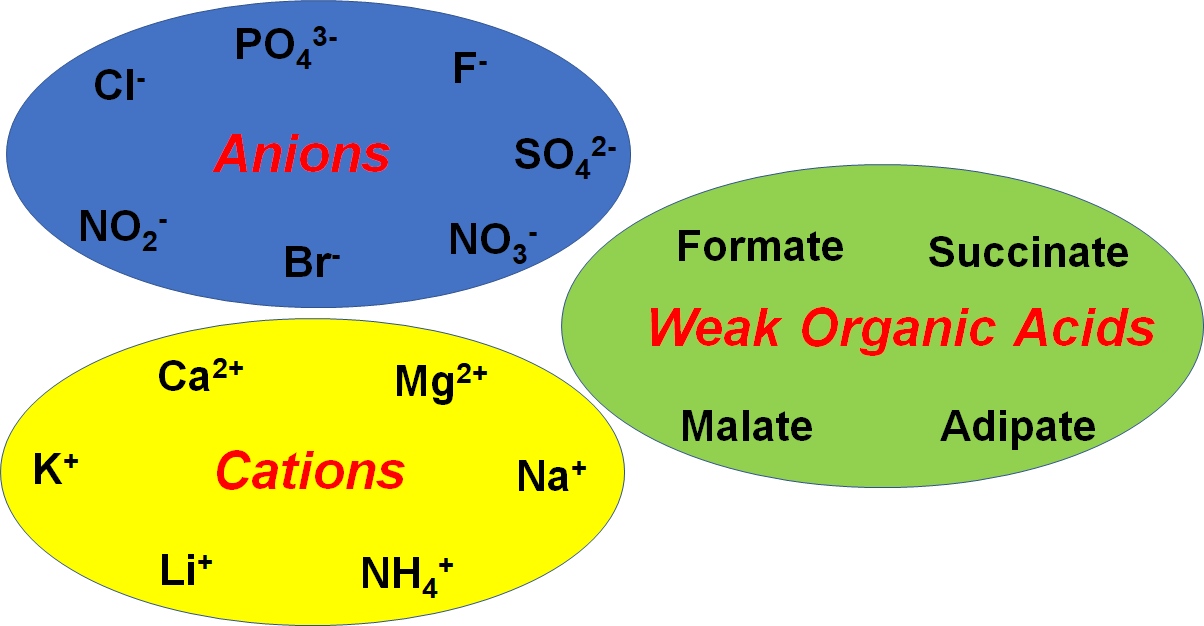
Although ionic contamination is rarely visible to the naked eye, even trace levels can matter: ionic residues left on a component can lead to corrosion and hence premature failure in service. The species typically covered by an ionic contamination investigation include:
- Anions: fluoride, chloride, bromide, nitrate, phosphate and sulphates
- Cations: lithium, sodium, calcium, potassium, magnesium and ammonia
- Weak organic acids (WOAs): formate, adipate, malate and succinate
Establishing which anions, cations and weak organic acids are present – and in what quantities – is the first step to understanding a contamination problem and controlling it.
How We Identify and Quantify Ionic Contamination
LPD Lab Services combines ion chromatography (IC) analysis, standard methods and experienced staff to detect and quantify ionic contamination for a wide range of customers and industries. Ion chromatography reports the individual species in a sample at the trace levels that matter in practice, so the result is a measured profile of the ions present rather than a simple pass or fail. That profile shows not just that contamination is there, but which anions, cations and weak organic acids are responsible – the information needed to correct a process rather than guess at it.
Depending on the component, samples can be taken from the part itself, from a deposit, or by swabbing a defined target area. LPD Lab Services can supply the wipes or swabs used to take the sample, and the laboratory reports the ionic species found together with the information needed to express the result per unit area.
Ionic Contamination in Printed Circuit Boards and Electronic Components
Some examples of industries where ionic contamination is a particular issue include printed circuit board manufacturing, where ionic residues can lead to corrosion of components and hence premature failure in service. Component manufacture is another key area, where the corrosion of components could lead to serious quality concerns in the aerospace, automotive and nuclear industries.
Ionic Contamination in Water Systems, Closed Loops and Fire Damage
Ionic analysis also supports wider investigations. It is used to examine corrosion failures in hot and cold-water pipe and recirculated closed systems for the construction and insurance loss adjustment industries, where the ionic profile of a deposit or of the water itself can point to the species involved in the damage. LPD Lab Services also carries out the assessment of potential damage created by acidic smoke from fires, where ionic analysis helps establish the corrosive species deposited during the incident.
Cleanliness Testing for Castings, Engine Components and Boilers
Similar to PCBs, there are some components where ionic chemicals are either used, or are contaminants resulting from the manufacturing process. Typical examples include aluminium castings, engine components and central heating boilers. Manufacturers may be asked by their customers to provide evidence that their cleaning processes have removed ionic contaminants.
Using approved in-house methods for analysing PCBs per IPC-TM-650 2.3.28, components can be analysed for cleanliness. LPD Lab Services can supply wipes or swabs for customers to swab target areas. These are sent back to LPD, where they are soaked in pure water to release any ionic species. The water is then analysed, and the data combined with the swabbing area information to give a weight per unit area – objective, repeatable evidence that a cleaning process is performing as specified.
Frequently Asked Questions About Ionic Contamination Analysis
What is ionic contamination?
Ionic contamination is typically defined as the presence of anions, cations and weak organic acids (WOAs). Common anions include fluoride, chloride, bromide, nitrate, phosphate and sulphates; common cations include lithium, sodium, calcium, potassium, magnesium and ammonia; and typical weak organic acids include formate, adipate, malate and succinate.
How is ionic contamination analysed and quantified?
LPD Lab Services uses ion chromatography (IC) analysis, standard methods and experienced staff to detect and quantify ionic contamination. Samples can come from the component itself, from a deposit, or from wipes and swabs sent back to the laboratory. Swabs are soaked in pure water to release any ionic species, the water is analysed, and the data are combined with the swabbing area information to give a weight per unit area.
Which standard is used for component cleanliness testing?
Components are analysed for cleanliness using approved in-house methods for analysing PCBs per IPC-TM-650 2.3.28. LPD Lab Services can supply the wipes or swabs used to take the samples from the target areas.
Which industries does LPD Lab Services support with ionic contamination analysis?
Typical applications include printed circuit board manufacturing, component manufacture for the aerospace, automotive and nuclear industries, aluminium castings, engine components and central heating boilers, hot and cold-water pipe and recirculated closed systems for the construction and insurance loss adjustment industries, and assessment of damage created by acidic smoke from fires.
Request a Quote for Ionic Contamination Analysis
If ionic residues, corrosion or a cleaning-process question is affecting your components or systems, our scientists in Blackburn, East Lancashire can help. Send us the affected component, a deposit or a water sample, or ask for wipes and swabs to collect the evidence yourself – find out more about our ion chromatography (IC) analysis capabilities and request a quote today. LPD Lab Services is an independent, UKAS-accredited analytical laboratory in Blackburn, East Lancashire, providing ionic contamination and cleanliness investigations to clients across the UK.