

Chemical Plant Materials Compatibility
 Chemical plant failure and materials compatibility investigation is a core problem-solving service at LPD Lab Services, an independent UKAS-accredited analytical laboratory based in Blackburn, East Lancashire. In manufacturing situations, the incorrect choice of fabrication material for chemical plant assets like storage tanks and processing machinery can be critical. A material that is incompatible with the chemical contents can result in production downtime or contamination of the products, so finding the root cause of a chemical plant failure – and verifying that the materials in service are chemically compatible with what they contain – is essential to keeping plant assets running reliably.
Why Chemical Plant Assets Suffer Early Life Failure
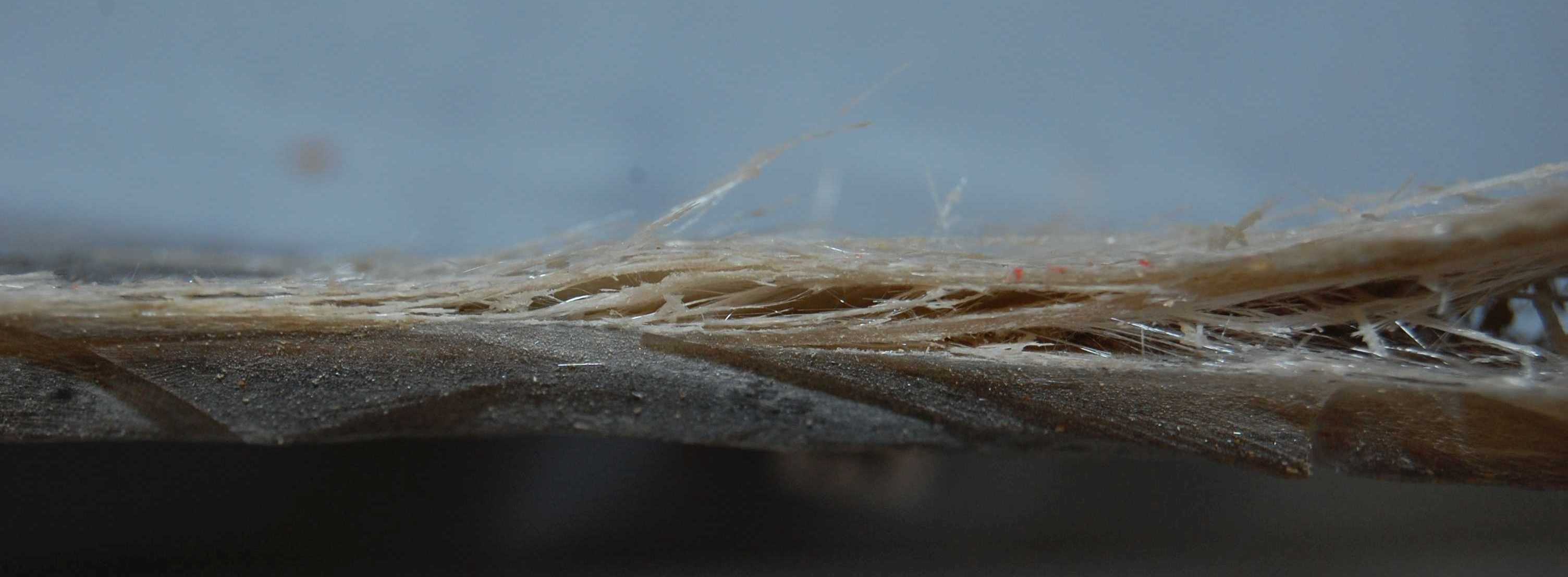
Equally, poor tank building or protective liner coating practices during fabrication can open the tank to attack by the chemical contents and cause early life failure, despite the initially apparent appropriate selection of materials. Tanks, plant assets and seals can be made from metals, ceramics, plastics, elastomers, silicones or composite materials such as resin impregnated GFRP (glass fibre reinforced plastic), and all of them can be at risk where the chemical compatibility of the materials has not been properly assessed.
How We Investigate Chemical Plant Failure and Materials Compatibility
 LPD Lab Services uses its combination of experience and materials failure investigation techniques, such as optical microscopy, SEM / EDX, FTIR, IR microscopy, pyrolysis GC-MS, XPS and metallurgical preparation and metallography, to reverse engineer plant components and look for signs of insufficient chemical compatibility or poor plant fabrication practices, including issues like porosity. The evidence gathered points to whether the root cause is a materials selection problem, a fabrication problem, or both.
Metal Tank Corrosion, Welding and Metallurgical Failure Analysis
Metal assets such as tanks, vessels and pipework fail in their own way, and the investigation starts with the material itself. Typical metallurgical and failure analysis work for chemical plant includes:
- Metal tank corrosion or poor welding practices, investigated by the laboratory’s senior metallurgist
- Metallurgy and failure analysis consultancy
GFRP Tanks, Liners, Coatings, Seals and Joints in Chemical Plant
Non-metallic and composite assets present their own set of chemical compatibility and fabrication issues. Typical investigations in this group include:
- Poor resin impregnation in a glass fibre reinforced tank
- Incomplete or inadequate coating of the liner of a storage vessel
- Incorrect choice of adhesive or solvent welding cement in pipework or pump joints
- Failed valves, gaskets and fittings
- Polymer or elastomer seal and joint degradation
- Chemical and lifetime degradation resistance of materials
Contamination, Deposits and Residue Identification in Chemical Plant
Contamination, deposits and residues can also accumulate on and inside chemical plant assets. Typical investigations in this group include:
- Deposit and blockage determination
- Foreign body or foreign particulate matter (FPM) identification and analysis
- Unknown contamination identification
- Particle contamination isolation and identification
- Identification of residual oil, grease, cleaning detergent residues or stains on surfaces by FTIR, FTIR microscopy or pyrolysis GC-MS
Whichever material or asset is involved, the aim of the investigation is the same: to establish whether the failure is due to an incorrect materials selection, poor fabrication, or an operating environment problem, and to provide the evidence needed to correct it.
Frequently Asked Questions About Chemical Plant Failure and Materials Compatibility
What causes chemical plant tanks and equipment to fail early?
Early life failure is usually caused either by an incorrect choice of fabrication material that is incompatible with the chemical contents, or by poor tank building or protective liner coating practices during fabrication that open the tank to attack by the chemical contents, despite the initially apparent appropriate selection of materials. Metals, ceramics, plastics, elastomers, silicones and composite materials such as resin impregnated GFRP (glass fibre reinforced plastic) can all be at risk.
Which techniques do you use for materials compatibility investigation?
We combine optical microscopy, SEM / EDX, FTIR, IR microscopy, pyrolysis GC-MS, XPS and metallurgical preparation and metallography, and we use them to reverse engineer plant components and look for signs of insufficient chemical compatibility or poor plant fabrication practices, including issues like porosity.
Can you investigate corrosion or poor welding in a metal tank?
Yes. Metal tank corrosion and poor welding practices are investigated by the laboratory’s senior metallurgist, and we also provide metallurgy and failure analysis consultancy for chemical plant assets.
How do you identify contamination, deposits or residues in chemical plant?
We carry out deposit and blockage determination, unknown contamination identification and particle contamination isolation and identification, and we identify residual oil, grease, cleaning detergent residues or stains on surfaces by FTIR, FTIR microscopy or pyrolysis GC-MS.
Request a Quote for Chemical Plant Failure and Materials Compatibility Analysis
If your chemical plant is experiencing tank failure, corrosion, contamination or early life degradation, our scientists in Blackburn, East Lancashire can help you establish the cause. Find out more about our reverse engineering and materials failure investigation capabilities, and request a quote. LPD Lab Services is an independent, UKAS-accredited analytical laboratory in Blackburn, East Lancashire, providing chemical plant failure and materials compatibility investigation to clients across the UK.